
National Painters provides material-specific weatherboard, brick and render painting across Melbourne. We assess the substrate, existing coating, moisture signs and access, then explain the suitable preparation, primer and finish system.
Book a free exterior surface inspection before choosing colours or products.
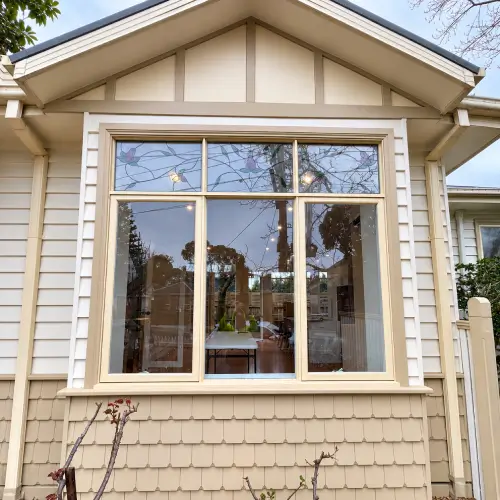
Start With the Surface, Not the Colour
Before coating, we identify the exterior surface—weatherboard, bare or coated brick, cement or acrylic render, or a textured finish. We check peeling paint, exposed fibres, mould, efflorescence, cracks, chalking, porosity, soft timber and moisture.
Sound paint may need local preparation; bare timber, porous masonry, chalky render or failed coatings can need compatible primer, sealer, repair or further investigation. This matches the system to the surface.
Weatherboard Painting: Protect the Timber
Weatherboards move with changing conditions and are vulnerable around joins and openings. Check loose paint, exposed grain, failed joints, swelling, cracking and soft timber before repainting.
Suitable preparation may include cleaning, mould treatment, controlled washing, scraping loose paint, then sanding or feathering edges. We remove dust, fill suitable minor defects and prime exposed timber as required.
Paint cannot remedy rotten, unstable or moisture-damaged boards. Minor suitable repairs may be included; extensive, structural or moisture-related repair needs the relevant trade first.
Brick Painting: Check Porosity and Moisture First
Brick may be bare, coated, absorbent or salt affected. Preparation can include suitable cleaning, loose-material removal, mould treatment, filling stable minor defects and drying. Bare or porous brick may need compatible masonry primer or sealer.
Efflorescence is a white salt deposit. It should be removed, but the moisture source matters. Active moisture or salts can undermine adhesion, so the surface may need investigation or drying first.
Painting brick creates a uniform appearance but is a long-term maintenance decision that can be difficult to reverse. We discuss whether a breathable masonry system, colour and finish suit the brick and exposure.
Render Painting: Stabilise Before Applying Colour
We paint suitable cement, acrylic, textured and previously coated render. Preparation may include cleaning, mould treatment, removing loose material, filling suitable minor defects and drying.
Small, stable cracks may suit flexible exterior filler. Large, recurring or structural cracks need specialist assessment; paint will not stop movement. Chalking prevents bonding, so a stabilising primer or masonry sealer may be needed after
preparation.
Textured render can need more product and a different application method than smooth wall, which we allow for in the scope.
Cleaning, Priming and Compatible Exterior Coatings
The system follows assessment. Exposed weatherboard may need timber primer; porous or chalky masonry may need a sealer or stabilising primer. Two finish coats are common after suitable preparation, though colour change, texture or coverage can require more.
Where appropriate, Pressure Washing can remove contaminants before preparation. Pressure, nozzle choice and distance must be controlled, as excess force can damage timber, weak mortar or unstable render. Surfaces then dry before coating.
For a broader scope, explore Exterior Painting. If your project also includes outdoor timber, see Fence, Deck & Pergola Painting.
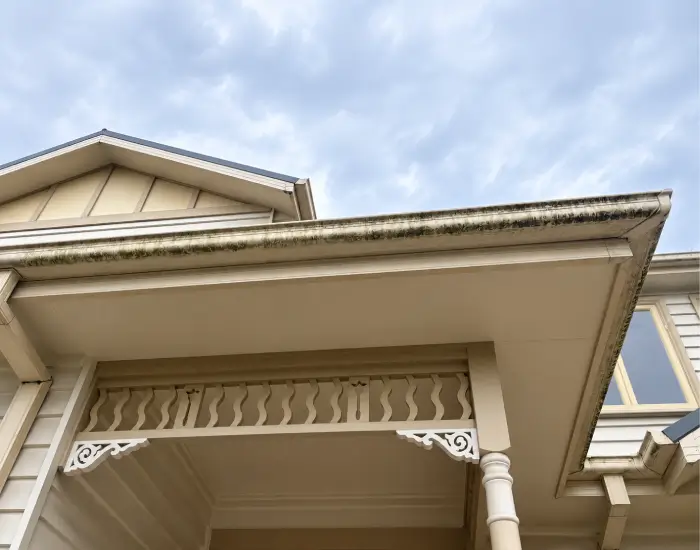
Our Exterior Surface Painting Process
- Inspect: Identify materials, coatings, defects, moisture signs, access and safety needs.
- Define: Confirm preparation, repair boundaries, products, colours, sheen and coats.
- Prepare: Protect, clean, remove loose material, treat contamination, sand, fill and dry.
- Prime and paint: Apply compatible primer or sealer where needed, then the agreed coating system.
- Review: Check coverage, edges and consistency, complete agreed touch-ups and clean up.
Weather, height and access equipment are considered during planning. For connected details such as eaves, fascia or garage doors, Fascia, Eaves & Garage Door Painting is a related service.
What Affects the Quote?
Costs depend on area, material, existing coating, contamination, preparation, repairs, texture, height, access, colour change, primers, coats and required equipment. An on-site inspection provides a defined scope instead of generic flat pricing.
Weatherboard, Brick and Render Painters Serving Melbourne
National Painters is locally owned in Ringwood and serves metropolitan Melbourne. Our four employed, qualified painters hold relevant safety credentials. The registered, appropriately insured business has more than 10 years of painting experience.
For weatherboard, brick or render painting in Melbourne, we explain the practical preparation and coating requirements before work begins. View covered suburbs on our Areas We Serve page, or request a free exterior surface inspection.
Frequently Asked Questions
Often, yes. We assess the brick’s condition, porosity and moisture signs first. As it creates ongoing maintenance requirements, suitability should be considered before choosing a coating.
It is a white, powdery salt deposit on masonry. It should be removed and the moisture source considered before painting, as active salts or moisture can affect adhesion.
Preparation may include cleaning, scraping loose paint, sanding and feathering edges, filling suitable minor defects and priming exposed timber. Rotten or unstable boards need repair before painting.
No. Filler and paint cannot remedy rotten boards or structural deterioration. Minor suitable defects may be addressed, but damaged timber and moisture-related failure need repair first.
Small, stable cracks may be prepared and filled with a suitable exterior product. Large, recurring or structural cracks should be investigated before painting because coating will not prevent movement.
No. It is assessed against the material and condition. Excessive pressure can damage weatherboards, weak mortar or unstable render, so controlled washing and adequate drying are important.
Two finish coats are common after suitable preparation and primer or sealer where required. More may be needed for strong colour changes, porous surfaces, texture, repairs or low-hiding colours.
Surface area, material, condition, preparation, repairs, texture, height, access, products, primers and coats all affect the scope. A free on-site inspection provides the clearest price.