National Painters provides professional ceiling and wall painting in Melbourne for homeowners who need anything from a single marked ceiling or damaged wall to multiple rooms repainted. Based in Ringwood East, our team assesses the existing coating, surface condition, repairs and required finish before establishing an appropriate painting system.
Whether you are refreshing worn walls, changing colours or repairing surfaces before repainting, preparation comes first.
Request a Free Wall and Ceiling Painting Quote
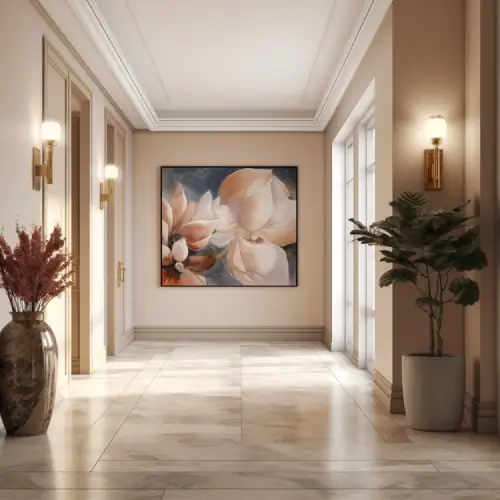
Professional Wall Painting in Melbourne
Walls can show wear in many ways. Scuffs, dents, old repairs, cracking, peeling paint and inconsistent sheen can all become more noticeable once natural or artificial light falls across the surface.
Our wall painters in Melbourne work with suitable plasterboard, plaster, render, brick, concrete, previously painted walls and selected textured surfaces.
Preparation and coating requirements depend on the substrate, existing paint, porosity, room use and condition of the wall.
If walls are part of a larger room or whole-home project, explore our interior painting services in Melbourne. For homeowners wanting to introduce a contrasting colour or focal point, our feature wall painting service provides a more specialised option.
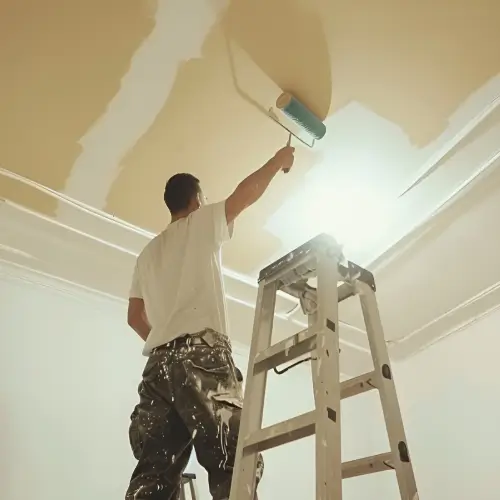
Professional Ceiling Painting
Ceilings can reveal defects that are less obvious on walls. Downlights, windows and directional lighting may highlight lap marks, previous repairs, uneven texture and inconsistent coverage.
Our ceiling painting services in Melbourne cover suitable plasterboard, plaster, concrete, previously painted and selected textured ceilings.
Ceiling height, surface stability, access, previous coatings and the condition of repairs influence preparation and application. High or damaged ceilings may also require additional access equipment or preparation.
Where walls and ceilings are being updated together, planning both surfaces as one scope can help maintain consistent transitions around cornices, edges and adjoining finishes.
Signs Your Walls or Ceilings Need Attention
A simple touch-up may not be enough when you notice:
- Cracks, dents or screw holes
- Visible edges around previous repairs
- Peeling, flaking or bubbling paint
- Water marks or smoke staining
- Roller lines or missed sections
- Patchy or inconsistent sheen
- Chalky or poorly bonded coatings
- Heavy scuffing and marking
- Uneven texture visible in side lighting
These symptoms do not all have the same cause. That is why surface assessment should come before repainting.
Have cracked, stained, peeling or uneven surfaces? Request an inspection before deciding on the coating system.
Surface Preparation Before Wall and Ceiling Painting
A clean, stable and properly prepared surface provides the foundation for a consistent finish.
Cracks, Holes and Minor Surface Damage
Minor holes and suitable plasterboard imperfections can be filled, allowed to dry and sanded. Repair edges are feathered into the surrounding surface where appropriate before dust is removed.
Where walls or ceilings have more extensive plaster damage, our plaster repair and plastering service may be relevant before repainting.
Recurring or substantial cracking can indicate an issue beyond normal painting preparation and may require assessment by an appropriate trade.
Peeling and Flaking Paint
Painting directly over loose coatings does not create a sound foundation.
Loose material needs to be removed back to a firmly bonded edge. The area can then be sanded and feathered, with suitable bare sections primed where required.
If moisture or another underlying problem caused the coating failure, that cause should be addressed before repainting.
Water Marks and Other Stains
Ordinary finish paint may not prevent stains from reappearing.
The source of water or other contamination should first be identified and resolved. Once the surface is sufficiently dry and suitable for painting, cleaning and an appropriate stain-blocking primer may be required before finish coats are applied.
New Plaster and Plasterboard
New plaster and plasterboard can absorb coatings differently from previously painted surfaces.
Joints, repairs and imperfections are assessed, suitable areas are filled and sanded, and dust is removed. An appropriate sealer or undercoat may then be applied to help control porosity and create a consistent base.
For newly built homes, extensions and larger renovation projects, see our new home and renovation painting service for information about sequencing painting with other construction work.
Choosing Paint Finishes for Walls and Ceilings
Walls and ceilings do not necessarily need the same paint product or sheen.
Low-sheen paint is commonly considered for interior walls because it provides a practical finish while retaining a relatively soft appearance. Matt finishes are often selected for ceilings because their lower reflectivity can make minor surface variation less noticeable.
Room use also matters. Kitchens, bathrooms and other moisture-prone or demanding spaces may need products selected for those conditions. Homeowners planning these areas can explore our kitchen and bathroom painting services.
Doors, frames and timberwork generally have different coating requirements from walls. Our doors, trims and skirting painting service explains preparation and finish options for these surfaces.
How We Reduce Roller Marks and Patchy Finishes
Application technique matters once the surface is properly prepared.
Roller nap is selected according to the paint and surface. Paint is loaded consistently and applied systematically while maintaining an appropriate wet edge. Consistent laying-off techniques help reduce heavy edges, obvious roller lines and changes in texture.
Product, colour, sheen, preparation and coat coverage all influence the final appearance.
Completed surfaces are also checked under suitable lighting because imperfections that are difficult to see from directly in front of a wall may become visible from another angle.
Changing Dark Walls to Lighter Colours
Moving from a dark colour to a substantially lighter shade may require more than two simple coats.
Surface condition, existing colour, new colour and product coverage determine the coating system. An appropriate undercoat may be useful for substantial colour changes or porous surfaces.
Rather than promising a fixed number of coats for every property, we assess coverage requirements as part of the scope.
Painting Occupied Homes With Care
Wall and ceiling painting frequently takes place while homeowners are still living in the property.
Furniture can be moved or protected as required, while floors, fixtures and adjacent surfaces are covered before preparation and painting begin.
Vacuum-connected sanding equipment can help minimise airborne dust, although no sanding process is completely dust-free. Ventilation is used where practical, and suitable low-odour or low-VOC coating options can be discussed.
For larger occupied properties, rooms may be staged so that parts of the home remain usable where practical.
Our Wall and Ceiling Painting Process
- Inspection: We assess surface type, condition, repairs, access, lighting and proposed colour changes.
- Quote: The agreed painting areas, preparation and coating requirements are documented.
- Protection: Floors, furniture, fixtures and relevant adjoining surfaces are protected.
- Preparation: Surfaces are cleaned, filled, scraped, sanded and primed where required.
- Painting: The specified coating system is applied according to the agreed scope.
- Final Check: Coverage, finish and agreed touch-ups are reviewed before the work area is cleaned.
What Affects Wall and Ceiling Painting Costs?
The cost of wall and ceiling painting in Melbourne depends on the actual condition and scope of the project.
Factors can include room size, total surface area, repairs, ceiling height, accessibility, existing paint condition, colour changes, selected finishes, coat requirements and textured or feature surfaces.
Widespread peeling, extensive repairs or difficult ceiling access can increase preparation time and equipment requirements.
An on-site inspection allows these factors to be assessed before a tailored quote is prepared.
Wall and Ceiling Painters Across Melbourne
National Painters is a locally owned Ringwood East painting business serving Melbourne and surrounding metropolitan suburbs. The business states that its team includes four employed qualified painters with relevant safety training, has more than 10 years of painting experience, and is registered and appropriately insured.
Our wall and ceiling painting services are available across the wider service area. Homeowners can explore our painters in Toorak and painters in Kew pages, or browse all painting service areas across Melbourne.
The focus remains the same across each project: assess the surface first, define the required preparation and apply a coating system appropriate for the area being painted.
Frequently Asked Questions
Yes, once the surface is sufficiently dry and ready for painting. Preparation can include filling suitable imperfections, sanding, removing dust and applying an appropriate sealer or undercoat before finish coats.
Minor defects can often be filled, sanded and feathered to reduce their visibility. The final result depends on the damage, surrounding texture and lighting. Recurring or substantial cracks may require further assessment.
The source of the stain should first be resolved. Once the surface is dry and suitable, cleaning and a compatible stain-blocking primer may be required before repainting.
Loose paint is removed to a sound edge before sanding and feathering. Suitable bare areas may then require primer. The reason for the coating failure should also be addressed.
Low-sheen is commonly used for interior walls, while matt finishes are often considered for ceilings. The best choice depends on surface condition, room use and the required appearance.
Suitable roller selection, consistent loading, maintaining a wet edge and systematic application help produce more uniform coverage and texture.
The number depends on the surface, existing colour, new colour, repairs and product coverage. Primer or undercoat may also be required.
Yes. Ceiling height, access equipment, texture, stability and preparation requirements can affect the scope and cost.
Request a Free Wall and Ceiling Painting Quote
Need to repaint marked walls, refresh a ceiling or address peeling, staining or uneven paint?
Contact National Painters for professional wall and ceiling painting in Melbourne. Tell us about the rooms, existing surface condition and areas requiring attention so we can assess the preparation and painting scope.
Request a free wall and ceiling painting quote and arrange an on-site inspection.